Privacy and Professionalism in RMT
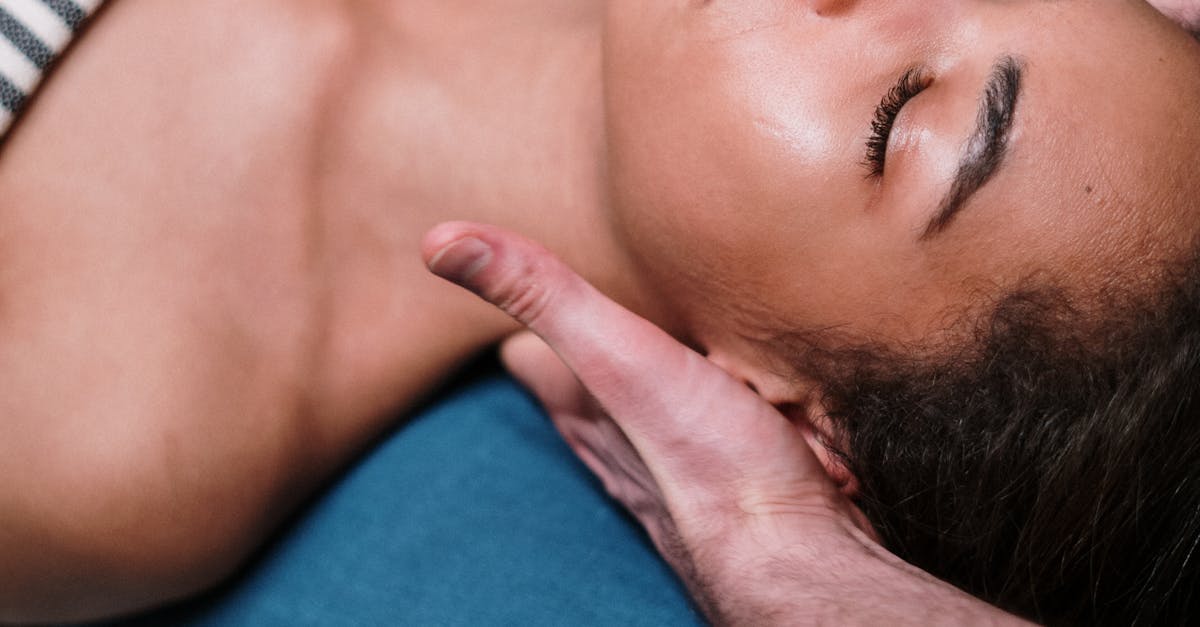
In the realm of registered massage therapy (RMT), maintaining privacy and professionalism is paramount. Therapists focus on creating a safe, comfortable environment where clients feel at ease. This professional standard ensures that clients can fully relax and benefit from their treatment. Each practitioner adheres to specific codes of ethics and guidelines, aiming to foster trust and confidentiality during every session.
The Best RMT in Canada prioritises the dignity of every individual, ensuring that all interactions are conducted with respect. It is common practice for therapists to discuss clothing options with clients beforehand, allowing preferences to be acknowledged. Conversations about comfort levels help build a client-therapist rapport, ensuring everyone feels secure and respected throughout the entire massage process.
Ensuring a Respectful Environment
Creating a respectful environment during a Registered Massage Therapy (RMT) session is crucial for both the client and the therapist. Clients should feel safe and comfortable throughout the treatment. This begins with the therapist establishing clear boundaries and open communication. Clients are encouraged to voice their preferences regarding draping and the level of disrobing that makes them feel most at ease. A strong emphasis on professionalism helps create an atmosphere of trust.
The Best RMT in the area prioritises the well-being and comfort of their clients by ensuring confidentiality and respect at all times. Therapists are trained to conduct sessions with the utmost sensitivity, making decisions based on the individual needs of each client. By fostering an environment where clients feel empowered to express themselves, RMTs can provide a more effective and enjoyable experience for everyone involved.
Alternatives to Disrobing
Many clients may feel more comfortable remaining clothed during their registered massage therapy (RMT) sessions. This preference can be accommodated through various techniques and approaches. Some therapists utilise light draping methods with linens to provide comfort and warmth while ensuring access to the areas that require treatment. Therapists also adapt their techniques for fully clothed sessions, focusing on methods such as compression, acupressure, and stretching.
For those who prefer to stay covered, options like loose-fitting athletic wear can be beneficial. These choices allow clients to maintain their comfort while still receiving effective treatment. Recognising the diversity of client preferences is essential for fostering a positive therapeutic environment. When searching for the Best RMT in your area, it’s crucial to communicate your comfort level to ensure the approach aligns with your needs.
Options for Clients Who Prefer to Stay Covered
For clients who prefer to remain clothed during their registered massage therapy sessions, there are plenty of options that ensure comfort while still allowing for an effective treatment. Many therapists are accustomed to working with clients who opt for specific attire, such as loose-fitting clothing or athletic wear. This approach can help clients feel secure and safe, enabling them to relax during the session.
Communication with the therapist is essential in these cases. It’s advisable for clients to discuss their preferences before the appointment, ensuring the therapist can adapt their techniques accordingly. The Best RMT in various regions are often knowledgeable about how to conduct effective treatments while respecting a client's choice to stay covered. This flexibility allows for a tailored experience that meets individual needs.
The Role of Linens in RMT
Linens play a crucial role in the practice of registered massage therapy (RMT), providing both coverage and comfort for clients during their sessions. Proper draping techniques ensure that only the area being treated is exposed, which fosters a sense of security and professionalism. This approach not only maintains the client’s modesty but also creates a welcoming atmosphere essential for relaxation. The use of clean, soft linens can significantly enhance the overall experience, allowing clients to focus on the therapeutic benefits of the massage rather than concerns about privacy.
For those seeking the best RMT in the area, attention to linen quality and usage reflects the therapist's commitment to maintaining a professional environment. Having freshly laundered sheets and towels not only contributes to hygiene but also demonstrates respect for clients’ personal space. Well-executed draping with linens can help to alleviate any tension or discomfort that may arise for clients, further promoting an effective therapeutic experience.
How Draping Works During a Session
Draping is a crucial aspect of registered massage therapy (RMT) that ensures the client's comfort and modesty throughout the session. Therapists typically use sheets or towels to cover the areas of the body that are not being worked on. This technique not only provides warmth but also helps maintain a professional atmosphere by respecting the client's boundaries. It allows the therapist to focus on specific muscle groups while ensuring that the client feels secure and protected.
Different techniques can be employed for draping, depending on the type of massage and the preferences of the client. A well-draped client can experience the full benefits of the treatment, as it allows for optimal access to the affected areas while preserving dignity. Many clients appreciate this practice when seeking treatment from the Best RMT in their area. This emphasis on professionalism and client comfort is essential for fostering a positive therapeutic experience.
FAQS
Do I have to take off my clothes for a Registered Massage Therapy (RMT) session?
No, it is not mandatory to disrobe for an RMT session. Clients can choose to remain dressed or wear specific clothing that is comfortable for them.
What should I wear if I decide not to take off my clothes during my RMT session?
It is recommended to wear loose, comfortable clothing that allows for ease of movement, such as athletic wear or soft cotton garments.
How does the therapist ensure my privacy during the session?
RMTs prioritise client privacy and professionalism by using linens or draping techniques to cover areas of the body that are not being treated, ensuring comfort and maintaining dignity throughout the session.
What draping methods are used in RMT?
Draping involves using sheets or towels strategically placed over the body, allowing the therapist to only expose the area being worked on, while keeping the rest of the body covered.
Can I communicate my preferences about clothing and draping to my therapist?
Absolutely! It is important to discuss your preferences and comfort level with your RMT before the session begins so they can tailor the experience to meet your needs.