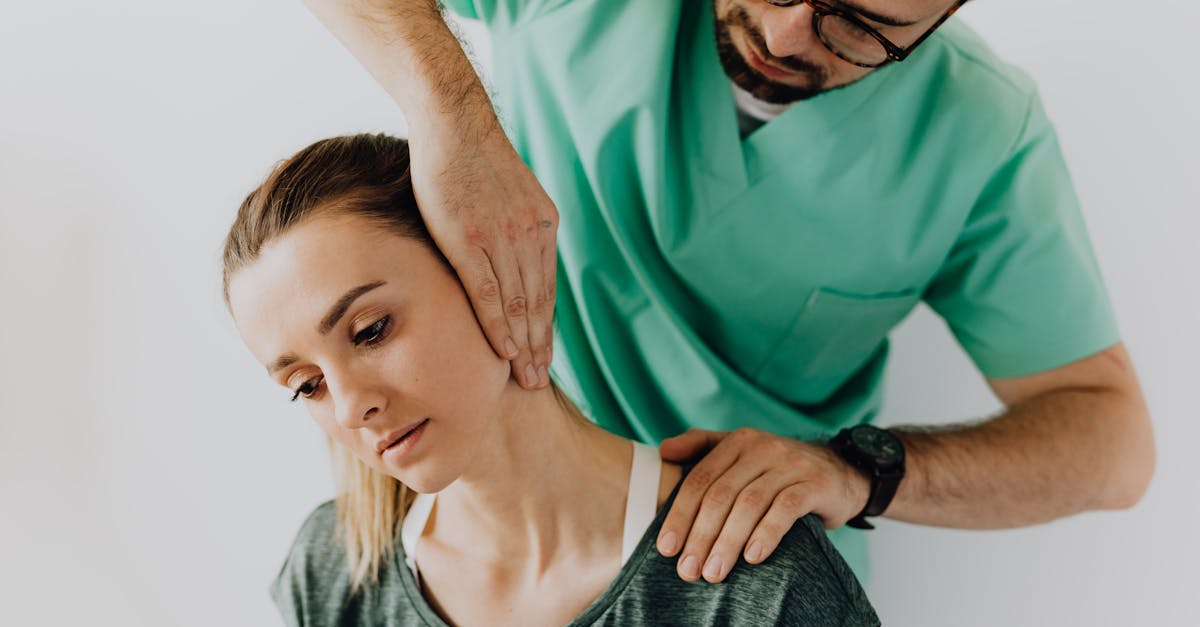
Duration of a Full Body Deep Tissue Massage
The duration of a full body deep tissue massage typically ranges from 60 to 90 minutes. This timeframe allows the therapist to work on various muscle groups while addressing specific areas of tension. Many practitioners suggest that longer sessions can provide additional benefits, especially for individuals with chronic discomfort or muscle restrictions. However, shorter sessions can still be effective for those seeking relief from localized issues or who are new to this type of therapy.
During a deep tissue massage in Canada, the therapist may focus on realigning deeper layers of muscles and connective tissues. Clients can discuss their needs and preferences before the session begins, helping to tailor the experience to their individual requirements. This customization is crucial as it ensures the massage is as effective as possible while maintaining comfort throughout the treatment.
Average Timeframes for Sessions
A typical deep tissue massage session lasts anywhere from 60 to 90 minutes. This timeframe allows the therapist to thoroughly work through muscle layers, targeting specific areas of tension and discomfort. While some individuals may opt for shorter sessions, a longer duration generally provides a more comprehensive treatment experience. Clients often find that spending extra time on particular problem areas can significantly enhance their overall relaxation and recovery.
In certain cases, sessions may extend beyond the standard duration, especially when focusing on chronic pain or injury rehabilitation. A deep tissue massage in a spa or clinic may also offer package deals, allowing for multiple sessions over a series of weeks. Clients should communicate with their therapists about their specific needs and preferences when scheduling, ensuring that the session duration aligns with their goals for relief and relaxation.
Ideal Candidates for Deep Tissue Massage
Deep Tissue Massage in various settings can be especially beneficial for individuals who lead an active lifestyle. Athletes often seek this therapy to alleviate muscle tension and recover from strenuous workouts. This massage technique targets deeper layers of muscle and connective tissue, making it ideal for those experiencing persistent pain or discomfort due to physical exertion.
Moreover, individuals with chronic conditions such as arthritis or fibromyalgia may find relief through Deep Tissue Massage in therapeutic contexts. The focused pressure can help reduce inflammation and enhance flexibility, improving overall mobility. This treatment is also suitable for anyone dealing with high stress levels, as it encourages relaxation and emotional well-being.
Who Can Benefit Most
Deep Tissue Massage in Canada is particularly beneficial for individuals who experience chronic pain or muscle tension. Athletes often seek this type of massage to alleviate the stiff and sore muscles that result from rigorous training. By targeting deeper layers of muscle and connective tissue, this therapy provides relief that is both immediate and long-lasting.
In addition to athletes, those with conditions such as fibromyalgia or arthritis can find significant relief through Deep Tissue Massage in Canada. The unique pressure applied during these sessions helps to break down adhesions and improve blood circulation. This can lead to reduced inflammation and enhanced mobility for those struggling with musculoskeletal issues.
Aftercare Following a Deep Tissue Massage
After a deep tissue massage, it is important to allow the body time to recover. Drinking plenty of water helps flush out toxins released during the treatment. Gentle stretching can also improve flexibility and aid in the healing process. Resting is essential, as the body may feel fatigued or tender following the massage. Listening to the body's signals can help ensure a smooth recovery.
Engaging in light activities is recommended for the first day or two after receiving a deep tissue massage in order to avoid any strain. Applying heat or cold packs to sore areas can alleviate discomfort. Avoiding strenuous exercise or activities immediately after the session allows for better healing. Following these aftercare practices will enhance the benefits of the massage and support overall well-being.
Recommended Practices for Recovery
After experiencing a Deep Tissue Massage in your session, prioritising hydration is essential. Drinking plenty of water helps flush out toxins released during the massage. Additionally, consuming electrolytes can support muscle recovery and prevent cramping. Appropriate hydration assists in maintaining healthy muscle function, enhancing the overall benefits of the treatment.
Gentle stretching can also be beneficial after a Deep Tissue Massage in promoting flexibility and reducing muscle tension. Engaging in light activities, such as walking or yoga, encourages blood circulation without putting undue pressure on sore areas. Listening to your body during this recovery period is crucial to avoid strain and ensure lasting relief from tightness.
FAQS
What is a deep tissue full body massage?
A deep tissue full body massage is a therapeutic technique that focuses on realigning deeper layers of muscles and connective tissue, particularly in areas of chronic tension and pain. It typically involves the use of slower strokes and more intense pressure compared to a standard relaxation massage.
How long does a full body deep tissue massage usually last?
The duration of a full body deep tissue massage can vary, but most sessions typically last between 60 to 90 minutes. Some practitioners may offer longer sessions depending on individual needs and preferences.
Who can benefit from a deep tissue massage?
Ideal candidates for deep tissue massage include individuals who experience chronic pain, muscle tension, or sports injuries. Athletes and those with physically demanding jobs may also find it beneficial for recovery and enhanced performance.
What aftercare practices should I follow after a deep tissue massage?
Aftercare following a deep tissue massage may include drinking plenty of water to stay hydrated, taking warm baths to soothe muscles, and engaging in gentle stretching to maintain flexibility. It’s also advisable to rest and avoid strenuous activities for at least 24 hours.
Is deep tissue massage painful?
While deep tissue massage can involve firm pressure and may cause some discomfort, it should not be excessively painful. It’s important to communicate with your therapist about your comfort level, as they can adjust the pressure to suit your needs.