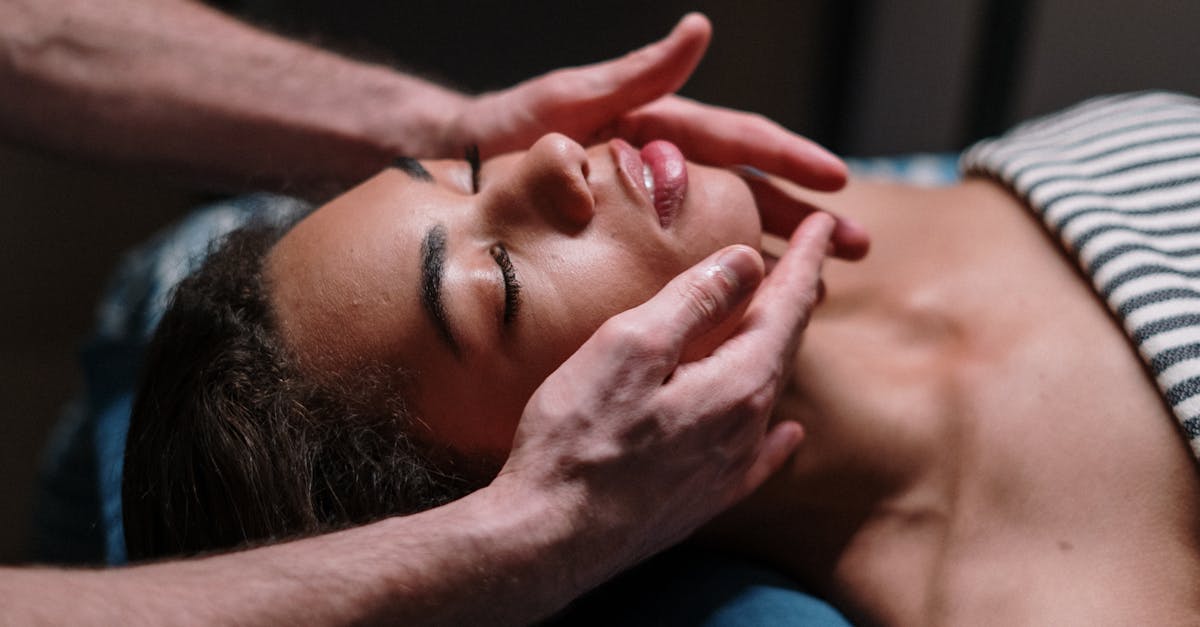
Clothing Considerations for Specific Therapies
When attending a registered massage therapy (RMT) session, clothing considerations often play a crucial role in the overall experience. The type of therapy being performed can dictate what attire is most appropriate. For instance, if the session involves deep tissue massage, clients may find it beneficial to wear comfortable clothing that allows for greater range of movement. Alternatively, during treatments that focus on specific areas, such as sports massage, clients may be asked to remove certain clothing to facilitate better access to the targeted muscles. It's common for therapists to provide draping techniques, which ensure that privacy is maintained while allowing necessary parts of the body to be accessible.
The question often arises, "Do you take off clothes for RMT in Canada?" The answer largely depends on personal comfort and the specifics of the treatment being pursued. Some clients may feel more at ease with minimal clothing, while others might prefer to keep more layers on during their session. Effective communication with the therapist beforehand can set clear expectations regarding clothing choices. This consideration not only enhances client comfort but also contributes to a more effective therapeutic experience overall.
Variations Based on Treatment Techniques
Different treatment techniques in registered massage therapy (RMT) can influence clothing choices. For example, techniques such as deep tissue massage may require more skin exposure to effectively target muscle groups. Therapists often recommend wearing minimal clothing or specific garments, like shorts or tank tops, to allow for greater access and comfort during treatment. Conversely, techniques that focus on relaxation, such as Swedish massage, might offer clients more flexibility in what they wear. Layering clothing can be beneficial here, enabling clients to cover certain areas while also allowing the therapist to work effectively.
Client comfort remains crucial, impacting the overall therapy experience. Many clients may wonder, “Do you take off clothes for RMT in all situations?” The answer often depends on individual comfort levels as well as the therapy’s intent. During an initial consultation, communication about clothing preferences can help clients feel at ease. This dialogue ensures that both the client and therapist align on expectations, fostering a therapeutic environment where healing is prioritised. In summary, understanding the treatment techniques can help guide clothing choices while respecting personal preferences.
Personal Preferences and Professional Recommendations
When it comes to clothing during an RMT session, personal preference plays a significant role. Some clients feel most comfortable in loose-fitting athletic wear, while others may choose to wear minimal clothing like shorts or a tank top. This choice can affect relaxation and the overall experience of the therapy. It is essential to communicate these preferences with the therapist beforehand to ensure comfort and effectiveness during the session.
Professional recommendations also guide attire choices for massage therapy. Therapists often advise clients to wear breathable fabrics that allow for ease of movement. When asked, "Do you take off clothes for RMT in the usual practice?" many therapists will explain that it's typically not necessary to remove all clothing, but certain areas may need to be exposed for treatment. The focus should always be on creating a safe and respectful environment where clients can feel at ease.
Finding the Right Balance
Clients often wonder about the appropriate clothing for a Registered Massage Therapy (RMT) session. The key is to find a balance between comfort and professionalism. Wearing loose-fitting, breathable attire can help facilitate movement and muscle relaxation during the treatment. Many therapists recommend bringing a change of clothing that allows for easy removal if needed. This adaptability ensures that clients can feel at ease while receiving treatment tailored to their individual needs.
Do you take off clothes for RMT in all cases? The answer varies depending on the type of therapy being performed and personal comfort levels. Some modalities, such as deep tissue or sports massage, may require the removal of certain clothing to allow direct access to muscle groups. Clients should discuss their preferences with their therapist before the session begins. This dialogue fosters an environment of trust and respect, ensuring that the client feels secure about the process while still benefiting from effective treatment strategies.
Client Preparedness Before a Session
Clients should arrive for their RMT session with a clear understanding of what to expect regarding clothing. The type of treatment will often dictate the level of undress required. Some clients may wonder, "Do you take off clothes for RMT in" definitions of certain treatments or techniques. Understanding the therapist's approach can help ease any anxiety about undressing during the session.
It is beneficial for clients to choose clothing that is comfortable and allows for ease of movement. Loose-fitting attire can facilitate better treatment outcomes while ensuring comfort. If a session involves techniques that require direct skin contact, the therapist will typically provide instructions on what is appropriate. Being aware of personal preferences in advance can help create a more relaxed and productive experience.
Ensuring a Smooth Experience
Clients often wonder about appropriate attire for their Registered Massage Therapy (RMT) session. The question, "Do you take off clothes for RMT?" frequently arises during initial consultations. While clothing choices can depend on the client's comfort level, formulative techniques are crucial in the therapy process. Many therapists suggest wearing loose-fitting garments that allow for easy movement. This recommendation prioritizes a client's ease during manipulation and promotes the effectiveness of the treatment without any constraints.
To ensure a smooth experience, clients should arrive with a clear understanding of their comfort preferences. Communication with the therapist beforehand can help establish what clothing is suitable based on the type of therapy being received. This dialogue reassures the client, fostering a relaxed environment conducive to healing. Being prepared means not only considering what to wear but also being mentally ready to engage fully in the therapeutic process.
FAQS
What type of clothing should I wear during an RMT session?
It is recommended to wear loose, comfortable clothing that allows for easy movement. Depending on the treatment, some clients may be asked to wear minimal clothing to better assess and treat specific areas.
Do I need to change clothes before my RMT session?
While it's not mandatory, many clinics provide a private space for clients to change into appropriate attire. This is especially common if you'll be receiving treatment on specific muscle groups that require more access.
Can I wear my regular workout clothes to the session?
Yes, wearing workout clothes is often a great choice as they are typically designed for comfort and flexibility, making it easier for the therapist to perform the necessary techniques.
What if I feel uncomfortable undressing during the session?
It's completely understandable to feel this way. You should communicate your comfort levels with your RM
How does my choice of clothing affect the therapy process?
Wearing appropriate clothing can enhance the efficacy of the treatment, as it allows the RMT to easily access specific areas of the body, leading to a more effective therapy experience.