The Role of the Therapist’s Experience
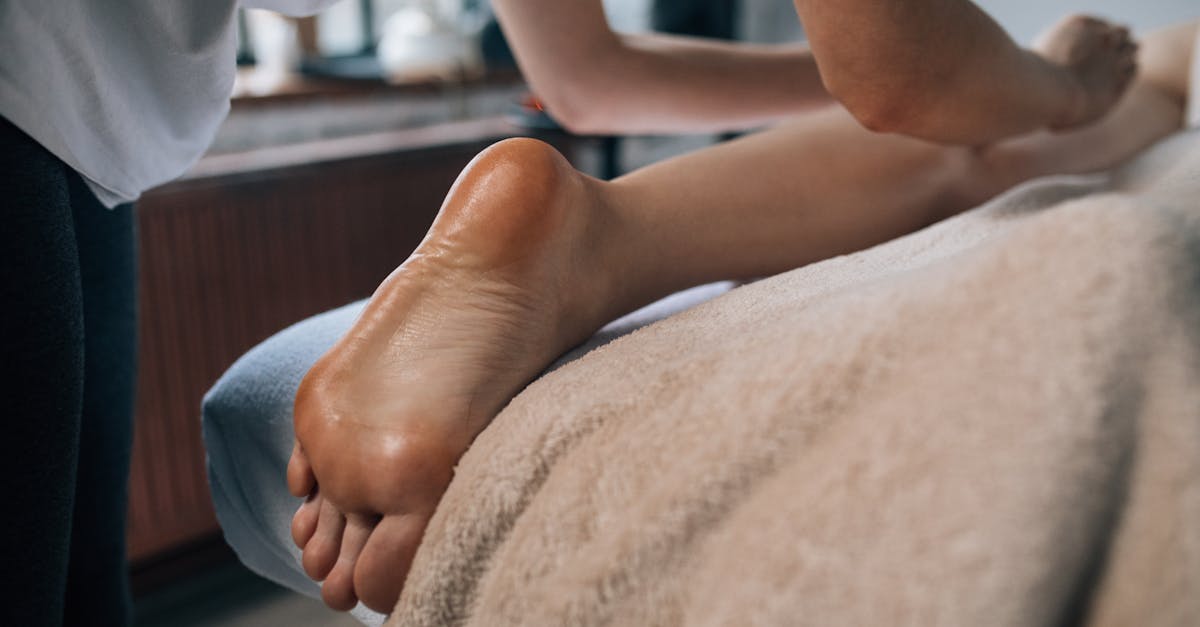
The experience of a massage therapist can significantly impact your overall experience. A seasoned therapist typically brings a wealth of knowledge about various techniques and an understanding of how to address your specific needs. If you are receiving a Deep Tissue Massage in a reputable spa, it is likely that the therapist has undergone thorough training and has substantial hands-on experience. This expertise often translates into a more effective and enjoyable session, which may influence your decision on the appropriate tip.
When evaluating how much to tip, consider the therapist’s level of experience as part of your overall satisfaction. A massage from a newer therapist may still be beneficial but might lack the finesse and understanding offered by someone with more years in the field. For a Deep Tissue Massage in a high-end establishment, tipping on the higher end of the scale can be a way to acknowledge the skill and effort put in by a veteran professional. Ultimately, reflecting on your personal experience will guide you in making the right tipping decision.
How Experience Level Influences Your Tipping Decision
The experience level of the massage therapist can significantly impact your tipping decision, especially for a $100 massage. Generally, a more experienced therapist is likely to possess refined techniques and a deeper understanding of body mechanics. For instance, if you received a Deep Tissue Massage in a professional setting where the therapist demonstrated expertise and knowledge, you might feel inclined to tip more generously. This acknowledgment of skill and proficiency reflects the value placed on the therapist's training and ability to deliver an exceptional experience.
Conversely, if the therapist is relatively new or inexperienced, you might have a different perspective on tipping. While every therapist deserves recognition for their effort, your satisfaction level may dictate a more moderate tip. In cases where the Deep Tissue Massage in question didn't meet your expectations, balancing your feedback with a fair tip is important. Ultimately, your impressions of the therapist's experience will guide your decision-making process in tipping, ensuring it aligns with the quality of service received.
Considering the Location of the Massage
When considering the location of your massage, it is essential to keep in mind the regional customs that can influence tipping norms. In urban settings, particularly in cities known for their wellness culture, tips may lean towards the higher end of the spectrum. In contrast, smaller towns may have different expectations regarding gratuity, often resulting in a more modest approach. For instance, when enjoying a Deep Tissue Massage in Vancouver, it is typical to tip anywhere from 15% to 20%, reflecting the city's larger cost of living and professional massage standards.
Additionally, certain provinces might have specific practices related to hospitality and service standards. In some areas, massage therapy is viewed as a luxury service, thus inviting more generous tips, while in others, it may be considered an essential health service, leading to lower expectations for gratuity. Just as you would when receiving a Deep Tissue Massage in Toronto versus a more remote area, understanding the local tipping culture can significantly enhance your experience and ensure that your appreciation for the therapist's work is conveyed appropriately.
Factors Related to Regional Variations in Tipping
Tipping practices can vary significantly across regions, impacting how much you might leave for services like a Deep Tissue Massage in Toronto compared to other cities. In urban areas, there is often a higher expectation for gratuity, reflecting the overall cost of living and service standards. Conversely, smaller towns may see lower tipping percentages, where personal relationships may play a larger role in service appreciation rather than strict adherence to norms.
In addition to geographic differences, cultural attitudes towards tipping also shape expectations. For example, while a 15-20% tip is generally standard in many Canadian cities, that percentage may adjust based on the type of establishment or the specific service provided. A Deep Tissue Massage in a high-end spa might warrant a more generous tip compared to a local wellness centre, where the clientele is more familiar with the therapist's work and may feel comfortable expressing their appreciation in other ways.
Payment Methods and Tipping
When it comes to tipping for services like a Deep Tissue Massage, the payment method used can influence how you approach gratuity. Many people opt to pay with a credit or debit card, which may complicate the process of providing cash tips. Some establishments allow you to add a tip directly to your card payment, while others may specify that tips must be given in cash. Knowing the policies of the massage clinic can help you decide the best way to express your appreciation.
In areas where the service industry is accustomed to card payments, employees might only occasionally receive cash tips. That said, providing a cash tip, especially after an excellent Deep Tissue Massage, is often appreciated. This direct appreciation can sometimes feel more personal for the therapist and might even allow them to keep the entirety of the tip without any deductions typically applied to card transactions.
Best Practices for Tipping When Using Credit or Debit
When using credit or debit for a $100 massage, it’s essential to understand how to factor in tipping. Many spas and wellness centres provide an option to add gratuity directly to the bill during the payment process. If you are receiving a Deep Tissue Massage in a high-end establishment, consider tipping on the higher end of the standard range, typically around 15-20% of the service value. This approach reflects the quality of the service and the therapist’s expertise.
Always check the receipt for any pre-added gratuity, especially in group settings or high-demand regions. If you prefer to tip in cash, have some small bills available, as it allows for more flexibility and a personal touch. Leaving a cash tip after a Deep Tissue Massage in this manner can also ensure that the therapist receives the full amount without deductions from credit processing fees.
FAQS
What is the standard tipping percentage for a massage?
The standard tipping percentage for a massage is typically between 15% to 20% of the service cost. For a $100 massage, this would be a tip of $15 to $20.
Should I tip more if the therapist has a lot of experience?
Yes, it's generally considered appropriate to tip more for experienced therapists, as their expertise can enhance the quality of your massage. A tip of 20% or more may be warranted in such cases.
How does the location of the massage affect tipping etiquette?
Tipping practices can vary by region. In larger cities or upscale establishments, higher tips are often expected, whereas in smaller towns or less formal settings, tipping closer to the 15% mark may be more common.
What if I paid for my massage with a credit card? How should I handle tipping?
When paying with a credit card, many massage establishments will allow you to add a tip to your total at the time of payment. It’s advisable to check how the establishment processes tips, as some may not distribute the tip to the therapist unless specified.
Is it necessary to tip if I received a complimentary massage?
Yes, even if the massage was complimentary or part of a promotional offer, it's courteous to tip the therapist, as they still provided their professional service. A tip based on the standard percentage of the massage value is recommended.