Cultural Considerations in Clothing Removal
Cultural considerations play a significant role in determining whether clients feel comfortable removing clothing for Registered Massage Therapy (RMT) sessions. Practices and beliefs surrounding modesty vary widely across different cultures. While some individuals may feel completely at ease with partial clothing removal, others might view it as inappropriate or invasive due to their cultural background. It is essential for RMT practitioners to foster an environment of respect and understanding, facilitating open dialogue about clothing preferences and boundaries during the initial consultation.
When discussing the topic of clothing removal, practitioners should approach the question with sensitivity. Many clients may wonder, "Do you take off clothes for RMT?" Preparing to address this query can help establish trust and reassure clients that their comfort is a priority. By openly discussing the options available, including the use of sheets or towels for modesty, practitioners can create a more welcoming atmosphere, making it easier for clients to focus on the therapeutic benefits of the treatment.
Respecting Personal and Cultural Boundaries
Respecting personal and cultural boundaries is crucial in the context of Remedial Massage Therapy (RMT). Different clients may have varying comfort levels regarding clothing removal based on their background, experiences, and cultural beliefs. Practitioners should engage in open dialogue with clients about their preferences, ensuring that the decision to remove clothing aligns with their comfort. Establishing trust helps clients feel at ease, allowing them to openly express their concerns and preferences.
In addressing a common query, "Do you take off clothes for RMT in Canada?" it’s important to clarify that while partial clothing removal is often beneficial for accessing muscles and areas needing attention, it is not a requirement. Therapists must be sensitive to individual preferences and provide alternatives that maintain effectiveness. Tailoring the approach to accommodate personal and cultural beliefs promotes an inclusive atmosphere where clients feel respected and valued.
Privacy Measures During Treatment
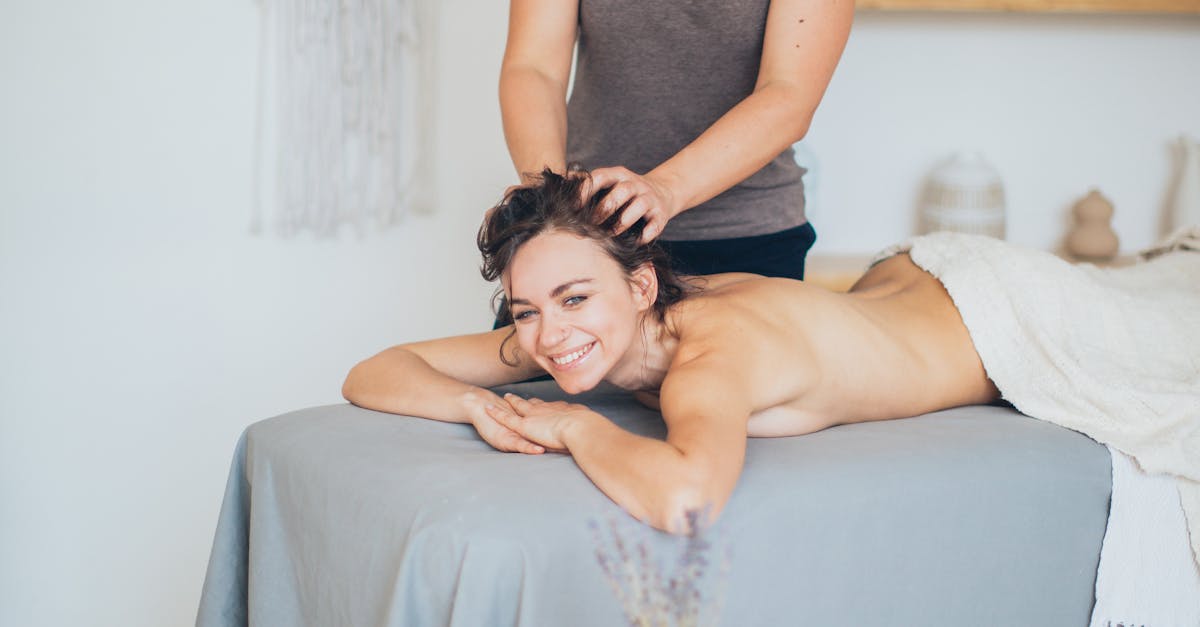
During Registered Massage Therapy (RMT) sessions, ensuring client privacy is paramount. Therapists should create a conducive environment by using screens or curtains to provide a sense of security and separation. Clients often feel more at ease when they know measures are in place to protect their privacy during the treatment. This can foster a trusting relationship between the client and therapist, which is essential for effectiveness.
Addressing the common question, "Do you take off clothes for RMT?" can help clarify expectations and ease anxieties. While many therapists recommend partial clothing removal for optimal treatment, it is vital to discuss this openly with clients beforehand. By doing so, therapists can tailor their approach, respecting individual comfort levels while maintaining professional integrity throughout the session. This conversation can significantly enhance the client's overall experience.
Ensuring Client Comfort and Confidence
Client comfort during RMT sessions is paramount for a positive therapeutic experience. Ensuring that clients feel at ease with the treatment process includes providing a clear explanation of what to expect. When addressing the common question, "Do you take off clothes for RMT in Canada?", practitioners should reassure clients of their right to choose their level of undress. This discussion can foster an environment of trust, allowing clients to voice any concerns or preferences regarding clothing removal.
Creating a comfortable atmosphere extends beyond mere conversation. Therapists can enhance client confidence by using techniques such as draping and using sheets to maintain privacy. This personalised approach helps clients feel secure, promoting relaxation and openness during the session. By prioritising comfort, practitioners demonstrate respect for the client's body and personal space, which ultimately supports the effectiveness of the treatment provided.
Benefits of Partial Clothing Removal
Partial clothing removal during registered massage therapy sessions offers several benefits, particularly in enhancing the effectiveness of therapeutic techniques. This practice allows the practitioner to access specific muscle groups and areas of tension more easily, facilitating targeted treatments. By exposing only the sections of the body that require attention, therapists can provide a more focused approach, addressing issues such as stiffness or soreness directly, which can lead to more noticeable improvements in the client's condition.
While concerns about privacy and comfort are valid, many clients find that strategic clothing removal increases their overall experience and engagement in the session. The question, "Do you take off clothes for RMT in Canada?" often arises, and the answer varies depending on individual preferences and cultural backgrounds. Emphasising a client’s comfort, therapists can create a safe environment where clients feel relaxed and empowered, ultimately enhancing the therapeutic outcome.
Enhanced Access for Targeted Techniques
Partial clothing removal during Registered Massage Therapy (RMT) sessions can significantly enhance the effectiveness of treatment by allowing therapists better access to specific muscle groups and areas of tension. When clients remove certain clothing, it affords the therapist the ability to apply techniques more precisely without fabric obstructing the work. Techniques such as myofascial release or deep tissue manipulations are often more effective when the therapist can directly engage with the skin and underlying structures.
Clients may wonder, "Do you take off clothes for RMT in order to achieve improved results?" The answer lies in the balance between comfort and effectiveness. For many clients, even removing just select items can enhance treatment outcomes. Ensuring that therapists maintain professionalism and respect privacy during sessions is vital, as this allows clients to feel secure while benefiting from targeted techniques that address their individual needs.
FAQS
Why is clothing removal important during RMT sessions?
Clothing removal can enhance the effectiveness of treatment by allowing the Registered Massage Therapist (RMT) to access specific muscle groups and areas that require attention, ultimately leading to more targeted and efficient treatment.
How can I communicate my comfort level regarding clothing removal to my RMT?
It's essential to have an open and honest conversation with your RMT before the session. You can express your preferences and comfort levels regarding clothing removal, ensuring that both you and the therapist are on the same page.
What privacy measures should I expect during an RMT session?
RMTs are trained to prioritize client privacy and comfort. Typically, they will provide a private treatment area, use draping techniques to cover exposed areas, and ensure that you feel safe and secure throughout the session.
Are there cultural considerations that I should be aware of regarding clothing removal?
Yes, cultural and personal beliefs can significantly influence attitudes towards clothing removal. It’s important to respect individual boundaries and preferences, and RMTs should be knowledgeable about these considerations to provide a comfortable experience for all clients.
What are the benefits of partial clothing removal during RMT sessions?
Partial clothing removal can provide enhanced access for targeted techniques, allowing the RMT to focus on specific areas of discomfort or tension while still ensuring the client feels comfortable and adequately covered. This balance can lead to a more effective treatment outcome.